Key Takeaways
- Identify the required naphtha grade and intended application before requesting a quotation.
- Light, heavy, and full-range naphtha are not automatically interchangeable; their suitability depends on composition and processing requirements.
- Compare supplier offers using the same quality specification, quantity, pricing basis, delivery term, and shipment period.
- Review the Certificate of Analysis (COA), Safety Data Sheet (SDS), and agreed independent inspection procedures.
- Confirm the loading location, receiving terminal, storage compatibility, shipping documents, and delivery responsibilities before finalizing the transaction.
What Is Naphtha and Why Does the Grade Matter?
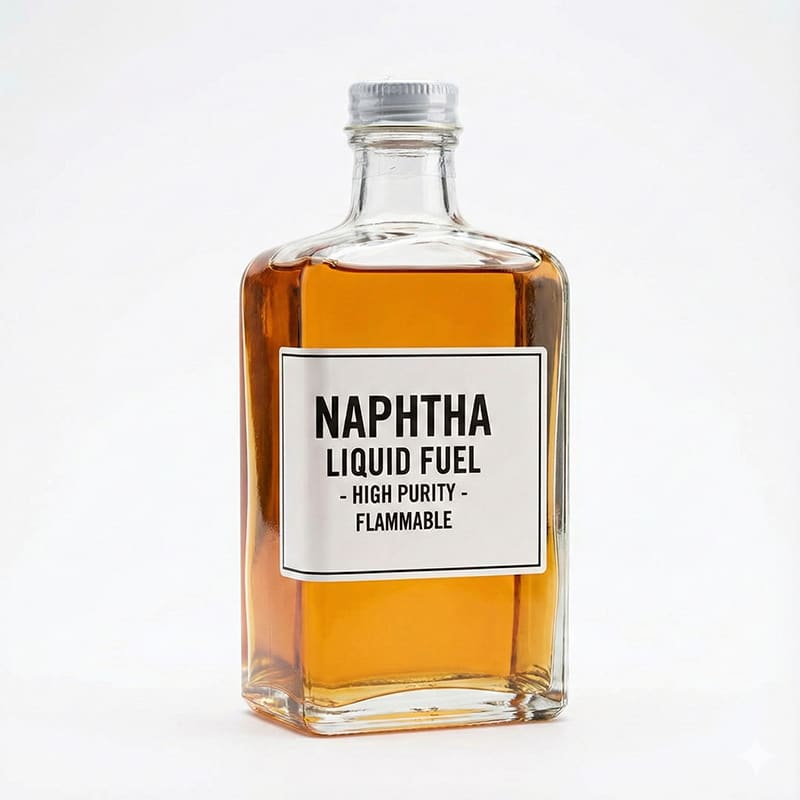
Naphtha is a petroleum-derived mixture of relatively light liquid hydrocarbons produced during crude oil refining and other refinery processes. It is not a single chemical compound with one fixed composition. Its properties can vary depending on the crude oil, refinery stream, processing method, and product grade.
Naphtha is used in several industrial applications, including petrochemical production, refinery processing, and gasoline blending. Its value and suitability depend on the characteristics required by the receiving facility. For this reason, buyers should specify the required grade and end use rather than purchasing a product based only on the general name "naphtha."
Light, Heavy, and Full-Range Naphtha
Commercial naphtha is commonly described by grades such as light naphtha, heavy naphtha, and full-range naphtha. These categories differ in boiling range and hydrocarbon composition, and the exact specification depends on the refinery stream and intended application.
- Light naphtha: Often contains a higher proportion of lighter hydrocarbons and may be used as feedstock in petrochemical steam-cracking operations or in gasoline-related processing, depending on its composition and quality.
- Heavy naphtha: Contains a heavier hydrocarbon fraction and may be used as feedstock for catalytic reforming and other refinery processes. Its suitability depends on parameters such as composition, sulfur content, and distillation characteristics.
- Full-range naphtha: Includes a broader range of naphtha components and may require further separation or processing to meet a particular refinery or petrochemical requirement.
These descriptions are general categories, not substitutes for a contractual specification. A buyer operating a steam cracker, reformer, or gasoline blending facility should confirm that the offered product matches the technical requirements of that specific process.
What Buyers Should Specify Before Contacting a Naphtha Supplier
A clear purchase inquiry helps a naphtha supplier identify a suitable product and prepare a meaningful commercial offer. Before requesting a quotation, buyers should define the following details:
- Required grade: Specify light, heavy, full-range, or another clearly defined refinery stream.
- Intended application: Explain whether the product is required for steam cracking, catalytic reforming, gasoline blending, or another approved industrial use.
- Product specification: Provide the required distillation range, hydrocarbon composition, sulfur limits, density, vapor pressure, and other relevant quality parameters.
- Quantity: State the requested volume and measurement unit, such as metric tons, and identify any permitted quantity tolerance.
- Destination: Provide the destination port, receiving terminal, or delivery location.
- Delivery term: Specify the preferred Incoterms rule and the named port or place.
- Shipment schedule: Indicate the required loading or delivery period and whether the purchase is a one-time order or a recurring supply requirement.
- Inspection and documentation: Identify the required COA, SDS, independent inspection, certificate of origin, and other documents.
When buyers provide these details at the beginning of the inquiry, suppliers can evaluate the request more accurately and avoid quotations based on unclear or incomplete product descriptions.
Understanding Naphtha Specifications
Naphtha specifications should be evaluated according to the product grade and the buyer's intended application. There is no single universal specification that applies to every type of naphtha. A suitable product for one refinery or petrochemical process may not meet the requirements of another facility.
Depending on the grade and end use, buyers may need to review the following parameters:
- Distillation range: Initial and final boiling points, along with relevant points on the distillation curve, help describe the product's volatility and hydrocarbon range.
- Density or specific gravity: Provides information about the product's physical characteristics and supports quantity and quality assessment.
- Hydrocarbon composition: Paraffins, olefins, naphthenes, and aromatics (PONA) can influence the product's suitability for different processing routes.
- Sulfur content: May be subject to strict limits depending on the downstream process and catalyst requirements.
- Vapor pressure: Helps characterize volatility and may be relevant to storage, handling, and product use.
- Benzene and other components: Specific limits may apply depending on the grade, processing requirements, and applicable regulations.
- Other contaminants: Chlorides, water, metals, and other trace components may need to be controlled for particular industrial applications.
- Appearance and color: May be included in the agreed product specification as supporting quality indicators.
Buyers should avoid relying on typical or indicative values without checking the actual contractual specification. The required limits, test methods, and acceptance criteria should be agreed between the buyer and seller before the order is confirmed.
How to Verify Naphtha Quality and the COA
The Certificate of Analysis (COA) is one of the key documents used to verify naphtha quality. It reports analytical results for specified product parameters and helps buyers determine whether the material meets the agreed specification.
When reviewing a COA, buyers should check:
- Whether the product grade and description match the sales contract.
- Whether the reported test results cover the required quality parameters.
- Whether the test methods and reference conditions are clearly identified.
- Whether the batch, cargo, or sample identification is consistent with the shipment documents.
- Whether the document is issued or verified by the agreed responsible party.
- Whether the reported values comply with the contractual acceptance limits.
For additional assurance, buyers and sellers may agree to independent inspection by a mutually accepted inspection company. The inspection agreement should define the sampling point, testing procedure, quantity measurement method, inspection timing, and the party responsible for the related costs.
The COA and Safety Data Sheet (SDS) serve different purposes. The COA provides analytical quality results, while the SDS describes hazards, safe handling measures, storage requirements, personal protective equipment, and emergency procedures. Buyers should obtain and review the SDS applicable to the exact naphtha grade being purchased.
How to Evaluate a Reliable Naphtha Supplier
Choosing a naphtha supplier requires more than comparing the quoted price. Buyers should assess the supplier's commercial information, product documentation, shipment arrangements, and ability to meet the agreed technical and contractual requirements.
Important evaluation points include:
- Company verification: Confirm the legal identity of the company, its official contact details, and the entity that will appear in the sales contract and commercial documents.
- Product clarity: Check whether the supplier identifies the exact naphtha grade, refinery stream, specification, and intended quality basis.
- Origin information: Ask for the declared product origin and confirm how it will be documented. Do not assume that the loading port automatically identifies the product's country of origin.
- Quality documentation: Review the available COA, SDS, and inspection arrangements before committing to the purchase.
- Shipment planning: Confirm the loading location, proposed shipment period, vessel or transport arrangements, and destination compatibility.
- Commercial transparency: Check the pricing basis, payment conditions, delivery term, quantity tolerance, and any additional charges.
- Contractual consistency: Ensure that product specifications, quantity, price, inspection requirements, and shipment responsibilities are recorded consistently in the quotation and sales contract.
A credible offer should contain clear and verifiable transaction details. Buyers should be cautious of quotations that provide attractive prices but omit the product grade, quality specification, origin, loading location, or relevant contractual conditions.
Understanding Naphtha Pricing and Quotations
Naphtha prices can vary according to grade, quality, market conditions, origin, loading location, destination, and delivery period. Some commercial offers may refer to a published market assessment or benchmark and apply a premium or discount to that reference.
To compare quotations fairly, buyers should review the following items:
- Market reference: Identify the pricing benchmark or assessment used, if applicable.
- Price differential: Confirm the premium or discount applied to the reference price and how it is calculated.
- Pricing period: Check the applicable quotation date, pricing window, and validity period.
- Currency and unit: Confirm the currency and whether the price is quoted per metric ton or another agreed unit.
- Delivery basis: Identify the Incoterms rule and the exact named port or place.
- Freight and insurance: Clarify which transportation and insurance costs are included in the offer.
- Additional costs: Review inspection, terminal, handling, customs, and other transaction-related charges.
- Quantity tolerance: Confirm the contractual volume and permitted operational variation.
The lowest quoted price does not necessarily represent the lowest total procurement cost. Buyers should compare the total cost of receiving the specified product at the agreed destination and make sure that all competing offers use equivalent quality and delivery conditions.
Naphtha Shipping Terms and Delivery Responsibilities
The delivery term determines how the buyer and seller divide transportation responsibilities, costs, and risks. For seaborne naphtha cargoes, commonly used Incoterms rules include FOB, CFR, and CIF.
- FOB (Free On Board): The seller delivers the product on board the vessel nominated by the buyer at the named port of shipment. Risk transfers when the goods are on board the vessel.
- CFR (Cost and Freight): The seller pays the cost and freight required to bring the goods to the named destination port. However, risk generally transfers when the goods are loaded on board the vessel at the port of shipment. The seller is not required to arrange insurance under CFR.
- CIF (Cost, Insurance and Freight): The seller pays the cost and freight to the named destination port and arranges the insurance required under the CIF rule. Risk still transfers when the goods are on board the vessel at the port of shipment.
FOB, CFR, and CIF are intended for sea and inland-waterway transport. If the shipment involves containerized or multimodal transport, another rule, such as FCA, CPT, or CIP, may be more appropriate. The parties should specify the selected rule, named port or place, and applicable Incoterms version in the contract.
For naphtha cargoes, the shipment agreement should also address vessel suitability, loading and discharge arrangements, terminal compatibility, cargo measurement, sampling, inspection, and the documents required for customs clearance and delivery.
Naphtha Storage, Handling, and Safety Requirements
Naphtha is a volatile petroleum product that can create flammable vapor. Its exact hazard profile depends on the product composition and grade. Buyers must therefore review the SDS for the specific material and ensure that the receiving facility is designed and approved for the relevant product.
Before accepting a shipment, buyers should confirm that:
- Storage tanks, pipelines, pumps, valves, and transfer equipment are suitable for the product and its operating conditions.
- Ignition sources are controlled and applicable fire-protection measures are in place.
- Ventilation, vapor management, and gas monitoring arrangements are appropriate for the facility.
- Equipment is properly grounded and bonded where required to help control electrostatic ignition risks.
- Loading, unloading, sampling, and transfer procedures are performed by trained personnel.
- Workers use the personal protective equipment specified in the product SDS and site procedures.
- Spill response, emergency shutdown, and environmental protection procedures are available and understood.
Naphtha should not be handled as an ordinary non-hazardous liquid. Exposure controls, storage conditions, fire prevention, and emergency response measures must follow the applicable regulations, facility standards, and product-specific safety documentation.
Documents to Review Before a Naphtha Shipment
Accurate documentation supports product verification, transport, customs clearance, and contract administration. The required documents vary according to the product grade, country of origin, destination market, transport method, and terms of sale.
Depending on the transaction, buyers may need to review:
- Sales contract or signed purchase agreement.
- Commercial invoice and packing or cargo details, where applicable.
- Certificate of Analysis (COA).
- Safety Data Sheet (SDS).
- Bill of lading or other applicable transport document.
- Certificate of origin, where required.
- Independent inspection or quantity certificate, if agreed.
- Export, import, customs, and regulatory documents required for the transaction.
Before dispatch, buyers should confirm the required document format, issuing party, information to be included, and submission deadlines. The product description, quantity, origin, and shipment details should be consistent across all relevant documents.
Naphtha Supply from Aban Chemical
When evaluating a naphtha purchase through Aban Chemical, buyers should begin by identifying the exact product grade, intended application, and required quality specification. Providing complete technical and commercial details helps the supplier assess the inquiry and determine whether the requested product and delivery arrangement can be offered.
For a bulk naphtha inquiry, buyers should include the required grade, key specification limits, quantity, destination port, preferred delivery term, target shipment period, and inspection requirements. Any specific requirements for COA, SDS, certificate of origin, or independent inspection should also be stated clearly.
Product availability, origin, specifications, loading location, shipment schedule, and commercial conditions should be confirmed in the written quotation for the specific transaction. Buyers should rely on the agreed documents and sales contract rather than general product descriptions when evaluating an offer.
How to Request a Naphtha Quotation
A complete request for quotation helps suppliers assess the purchase requirement and prepare a relevant offer. To make the inquiry clear, buyers should provide:
- Required naphtha grade: light, heavy, full-range, or another specified stream.
- Intended industrial application.
- Required product specification and quality limits.
- Order quantity and measurement unit.
- Destination port or delivery location.
- Preferred Incoterms rule and named port or place.
- Target shipment period and any recurring supply requirements.
- COA, SDS, inspection, and other documentation requirements.
- Any special terminal, storage, or receiving-facility conditions.
After receiving a quotation, compare the grade, specification, price basis, total delivered cost, shipment arrangements, inspection procedure, and contractual conditions. Before proceeding with payment or shipment, make sure that all agreed details are clearly included in the final sales contract.