Choosing a reliable granular urea supplier requires more than comparing prices. Product specifications, nitrogen content, packaging, shipping arrangements, and quality documentation all influence the success of an international fertilizer transaction. This guide explains what buyers should evaluate before placing a bulk granular urea order.
Key Takeaways
- Confirm nitrogen content, product grade, moisture limits, and other contractual specifications before placing an order.
- Compare supplier quotations using the same product requirements, quantity, destination, and delivery terms.
- Review the Certificate of Analysis (COA), inspection arrangements, and shipping documents before shipment.
- Choose packaging and storage arrangements that protect granular urea from moisture and contamination.
What Is Granular Urea?
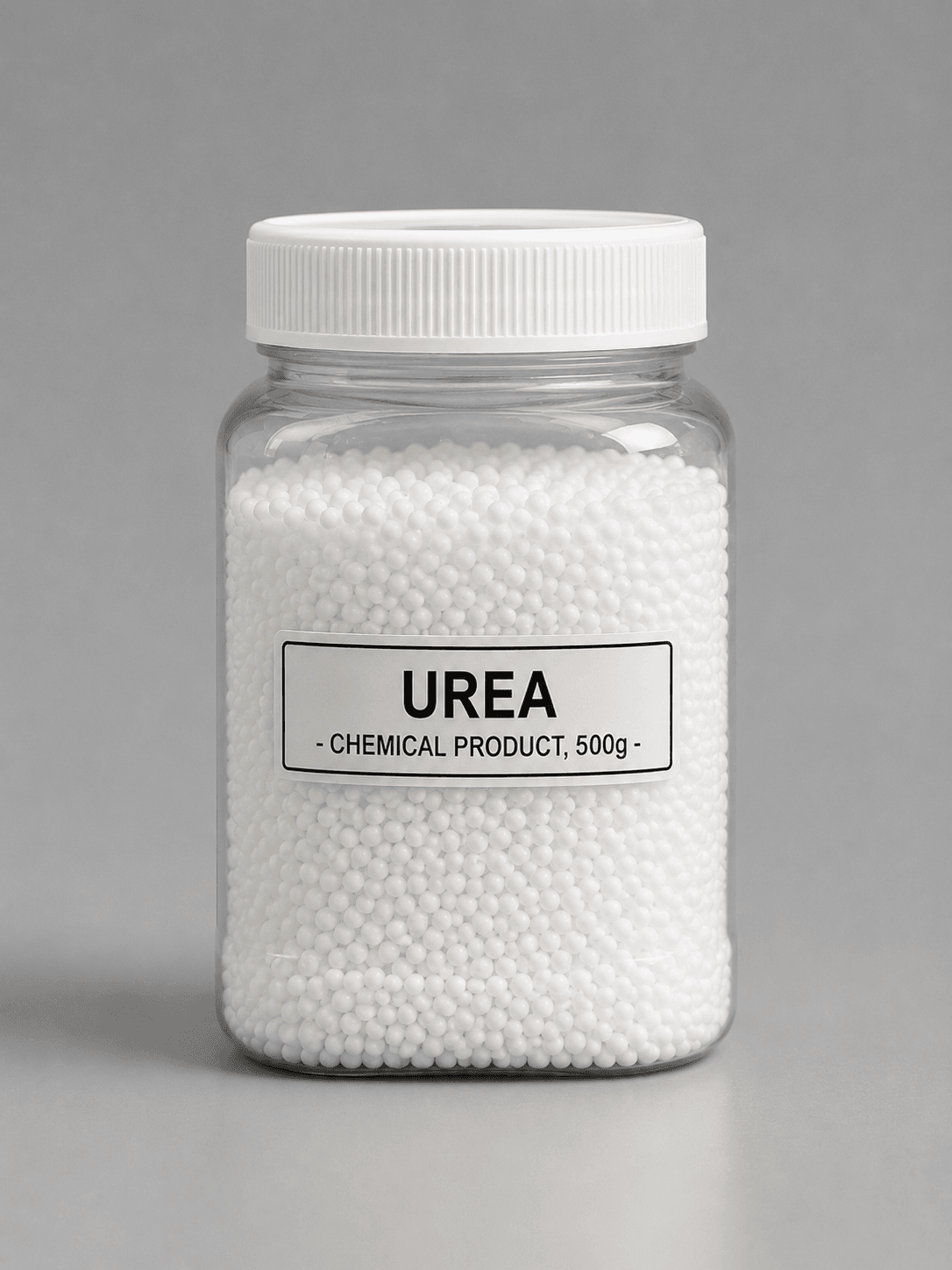
Granular urea is a nitrogen fertilizer containing urea, with the chemical formula CO(NH₂)₂. It is widely used in agriculture as a source of nitrogen for crops. Its granular form makes it suitable for many bulk handling, storage, and distribution operations.
Granular urea is available in different commercial grades and specifications. Buyers should confirm that the offered product meets their intended agricultural or industrial application and the requirements stated in the purchase contract.
Before contacting a granular urea supplier, determine the required quantity, destination, product specifications, packaging format, and preferred delivery terms. Providing these details helps suppliers prepare more comparable commercial offers.
How to Evaluate a Granular Urea Supplier
A reliable supplier should provide clear product information, transparent commercial terms, and documentation appropriate to the transaction. Buyers should also establish whether the company is a producer, distributor, or trading company and clarify the proposed supply arrangements.
When evaluating a potential supplier, consider the following factors:
- Product availability: Confirm the quantity available and the expected shipment schedule.
- Product origin: Request clear information about the country of origin and loading location.
- Quality documentation: Ask for the applicable product specifications and a representative COA.
- Commercial terms: Review the quoted price, payment conditions, delivery basis, and other applicable costs.
- Logistics capability: Confirm that the proposed packaging and transport arrangements suit the destination and order size.
Company registration and an online presence can provide useful background, but they do not independently prove that a particular quantity of fertilizer is available. Where appropriate, verify documents and arrange independent inspection before shipment.
Understanding Urea Fertilizer Specifications
Product specifications should be agreed upon before the sales contract is finalized. The required limits may vary according to the product grade, intended application, applicable standards, and buyer requirements.
Important parameters in urea fertilizer specifications may include:
- Nitrogen content: The percentage of nitrogen in the product, usually expressed by mass.
- Moisture content: The amount of water present in the product.
- Biuret content: A quality parameter that may be important for particular agricultural applications.
- Granule size: The particle-size range and distribution required by the buyer.
- Physical condition: Requirements relating to caking, dust, and the condition of the granules.
For example, many conventional agricultural urea grades are specified at approximately 46% nitrogen by mass. However, buyers should not rely on a general figure alone. The exact nitrogen content and all other acceptance limits must be confirmed in the supplier's specification and the purchase contract.
How to Check Urea Quality and Documentation
A Certificate of Analysis (COA) provides test results for the product or batch identified in the document. Buyers should review the reported values against the agreed specifications and confirm that the documentation corresponds to the cargo being supplied.
Depending on the transaction, useful documents may include:
- Product specification sheet.
- Certificate of Analysis (COA).
- Certificate of Origin.
- Commercial invoice and packing list, where applicable.
- Bill of Lading for applicable sea shipments.
- Inspection certificate, if required by the contract.
Independent inspection and sampling may provide additional assurance for larger orders. The contract should specify the inspection location, sampling procedure, applicable test methods, acceptance criteria, and how quality disputes will be resolved.
Check that company names, product descriptions, quantities, dates, and shipment details are consistent across the documents. Be cautious of unexplained upfront charges, unusually low offers, pressure to skip agreed inspections, or documents that cannot be verified.
Bulk Granular Urea: Packaging and Handling
Bulk granular urea can be supplied in different formats depending on order volume, destination infrastructure, and the buyer's storage and handling facilities.
Common options may include:
- Bulk cargo: Suitable for certain large-volume shipments where loading, unloading, and storage facilities are available.
- Big bags: Flexible intermediate bulk containers can be suitable for commercial distribution and handling, depending on the buyer's requirements.
- Smaller bags: Used where downstream distribution or end-user requirements call for smaller packaging units.
Packaging availability, bag weight, labelling, palletization, and loading arrangements should be confirmed before the order is finalized. Urea should be protected from excessive moisture and contamination during storage and transport. Appropriate storage conditions help reduce caking and preserve the product's physical quality.
Understanding Urea Fertilizer Shipping Terms
Shipping terms affect the allocation of transportation costs, responsibilities, and risk between the seller and buyer. When comparing offers from a nitrogen fertilizer supplier, make sure the delivery basis is clearly stated.
Three commonly used Incoterms for international sea shipments include:
- FOB (Free On Board): The seller delivers the goods on board the vessel at the named port of shipment. The buyer generally arranges the main sea freight.
- CFR (Cost and Freight): The seller pays the freight to the named destination port, while the buyer generally arranges cargo insurance.
- CIF (Cost, Insurance and Freight): The seller pays the sea freight and arranges the minimum insurance cover required under the applicable Incoterms rules.
Under FOB, CFR, and CIF, risk generally transfers when the goods are on board the vessel at the port of shipment. Buyers should distinguish this risk-transfer point from the allocation of freight and insurance costs.
For a meaningful comparison, evaluate quotations using the same product specification, quantity, loading port, destination, shipment period, and delivery term. Also confirm whether inspection, port handling, and other additional charges are included or excluded.
Planning a Granular Urea Import or Export Transaction
A successful granular urea export transaction requires coordination between the product supplier, buyer, inspection provider, and logistics parties involved in the shipment.
Before confirming an order, buyers should establish:
- The required product grade and quality limits.
- The order quantity and packaging format.
- The loading port and destination.
- The agreed shipment window.
- The required commercial and shipping documents.
- The payment method and contractual quality provisions.
Import requirements, fertilizer registration rules, customs documentation, and labelling obligations may vary by destination country. Buyers should confirm the applicable requirements with their local authorities or qualified customs and logistics providers before shipment.
Granular Urea Supply from Aban Chemical
When evaluating a fertilizer supply proposal, buyers should focus on the match between their product requirements and the supplier's documented offer. Product availability, origin, packaging options, inspection arrangements, and delivery terms should be confirmed for each transaction.
Depending on the specific offer and availability, relevant commercial discussions may cover:
- Required granular urea grade and quantity.
- Product specifications and quality documentation.
- Packaging and loading requirements.
- FOB, CFR, or CIF delivery arrangements, where applicable.
- Shipment timing and required documentation.
Buyers should request confirmation of all material commercial details before making payment or committing to a shipment. Any supply capabilities, available quantities, and delivery options should be verified directly with Aban Chemical for the specific inquiry.
How to Request a Granular Urea Quotation
To obtain a relevant quotation, provide the supplier with the information needed to assess the transaction.
Your inquiry should include the required quantity, product specifications, destination country or port, packaging preference, preferred delivery term, and target shipment period. Mention any specific quality limits, inspection requirements, or documentation needs as well.
Complete requirements help suppliers prepare a more relevant offer and make it easier to compare quotations on a consistent basis.
Looking for a granular urea supplier? Contact Aban Chemical to discuss your requirements and request a quotation. Include your target quantity, destination, preferred packaging, and delivery terms so the proposed supply arrangement can be evaluated.