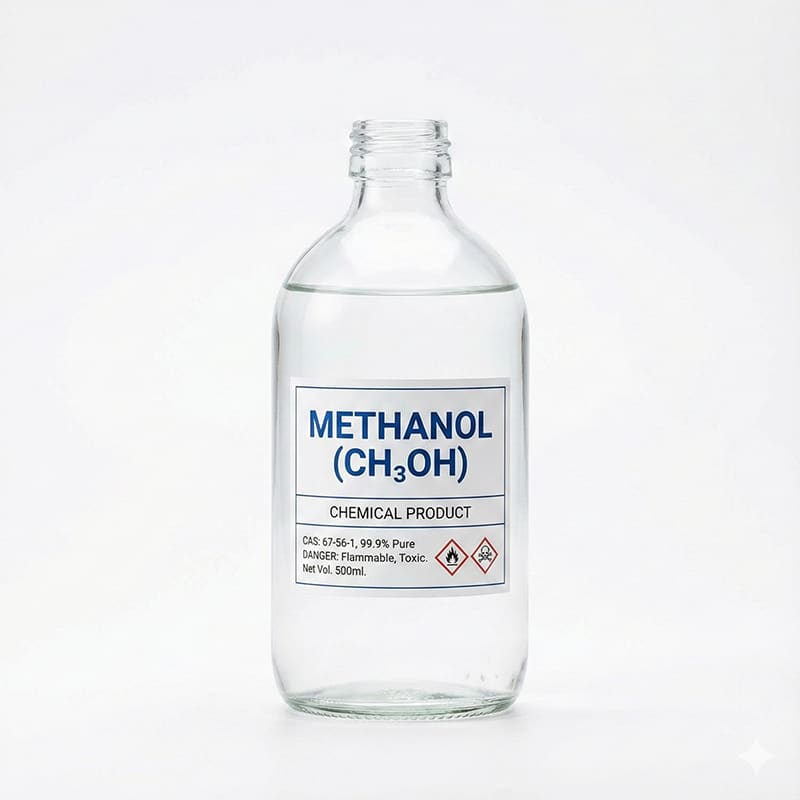
Choosing the right methanol supplier involves more than comparing prices. Product specifications, quality verification, shipping terms, and documentation all affect the success of an international chemical transaction. This guide explains what buyers should check before selecting a supplier and placing a bulk methanol order.
Key Takeaways
- A reliable methanol supplier should clearly define product specifications, available quantity, product origin, shipment schedule, and delivery terms.
- Buyers should compare complete commercial offers, including freight, insurance, inspection, and destination-related costs.
- A Certificate of Analysis (COA), independent inspection, and verifiable shipping documents help reduce the risk of receiving off-spec cargo.
- Methanol is flammable and toxic, making appropriate documentation and dangerous-goods transport arrangements essential.
What Should a Reliable Methanol Supplier Offer?
Methanol (CH₃OH) is widely used in chemical manufacturing, solvents, fuels, and other industrial applications. Different uses may require different quality limits, delivery volumes, and supply arrangements.
Before choosing a bulk methanol supplier, establish whether the company is a producer, an authorized distributor, or an international trading company. The supplier should explain the proposed supply route and provide clear information about product availability and loading arrangements.
For bulk purchases, confirm the following details before requesting a final offer:
- Product grade and required specifications.
- Available quantity and shipment schedule.
- Product origin and loading port.
- Delivery destination and preferred Incoterm.
- Packaging or transportation requirements.
- Quality inspection and documentation requirements.
Clear answers at this stage help buyers distinguish a workable supply proposal from an offer that lacks essential commercial details.
How to Verify Methanol Quality
Quality requirements should be agreed upon before the commercial contract is finalized. In international trade, buyers commonly refer to the IMPCA Methanol Reference Specifications, subject to the requirements of their application and contract.
Important parameters may include methanol purity, water content, acetone, ethanol, permanganate time, and density. Applicable limits and test methods should be confirmed against the agreed specification and the relevant reference standard.
A methanol COA, or Certificate of Analysis, provides laboratory results for a specific product batch or tank. Buyers should check that the document identifies the correct product and corresponds to the material being offered.
For additional protection, independent inspection can be arranged when appropriate. Sampling and testing at the loading port can help verify product quality before shipment. The sales contract should also establish which inspection results are binding and how retained samples will be handled if a quality dispute occurs.
Compare Methanol Offers on a Like-for-Like Basis
A lower quoted price does not necessarily represent a better deal. The total cost depends on factors such as order volume, product origin, loading port, shipment timing, packaging, freight, and insurance.
Understanding methanol shipping terms is also important because delivery terms determine how costs, responsibilities, and risks are allocated between the seller and buyer.
Three commonly used Incoterms for seaborne bulk cargoes are:
- FOB (Free On Board): The seller delivers the goods on board the vessel at the named port. The buyer generally arranges the main sea freight and insurance.
- CFR (Cost and Freight): The seller arranges and pays for sea freight to the named destination port, while the buyer generally arranges cargo insurance.
- CIF (Cost, Insurance and Freight): The seller arranges sea freight and the minimum insurance cover required under the applicable Incoterms rules.
Under these three terms, risk generally transfers when the goods are on board the vessel at the port of shipment. Buyers should understand both the cost allocation and the risk-transfer point before signing a contract.
Always compare quotations using the same quantity, specification, destination, and delivery basis.
Check the Contract and Shipping Documents
A professional procurement process requires consistent documentation throughout the transaction. Before payment or shipment, buyers should review the relevant documents and verify them with the issuing parties when necessary.
Depending on the transaction, the document set may include:
- A sales contract specifying product quality, quantity, delivery terms, and payment conditions.
- A Certificate of Analysis and other applicable quality documentation.
- Certificates of Quality and Quantity from the agreed inspection company.
- A commercial invoice and Bill of Lading.
- A Certificate of Origin.
- A current Safety Data Sheet (SDS).
Pay particular attention to inconsistencies in product descriptions, quantities, company details, and shipment information.
Unexplained upfront fees, prices significantly below comparable market offers, pressure to bypass inspection, and documents that cannot be independently verified are potential warning signs. A supplier's website or company registration alone does not prove that a particular cargo is available.
Choose the Right Supply and Logistics Arrangement
Industrial methanol supply can involve bulk chemical tankers, ISO tank containers, or suitable packaged formats, depending on order size, destination, and available logistics arrangements.
Before confirming an order, ensure that the proposed transport method matches your receiving facilities and operational requirements. Confirm the loading window, destination handling arrangements, required shipping documents, and responsibilities for freight and insurance.
Safety is equally important. Methanol is a flammable and toxic liquid. Buyers should obtain the current SDS, ensure that packaging and labelling meet applicable transport requirements, and confirm that carriers and receiving facilities are equipped to handle the product safely.
Methanol Supply from Aban Chemical
Aban Chemical supports international chemical trading and methanol procurement, with attention to product specifications, commercial terms, quality documentation, and shipment coordination.
Depending on the transaction requirements, supply arrangements may include:
- Bulk, container, and packaged supply options, subject to availability.
- COA documentation and independent inspection arrangements, where agreed.
- FOB, CFR, or CIF delivery terms, as agreed for the shipment.
- Shipping documentation and logistics coordination.
Each offer should be evaluated against the buyer's required specification, quantity, destination, and delivery schedule. Providing clear requirements at the inquiry stage helps establish a more suitable commercial proposal.
How to Request a Methanol Quotation
To receive a relevant offer, buyers should provide the product requirements and commercial details needed to assess the transaction.
Include the required quantity, destination port, preferred delivery term (FOB, CFR, or CIF), packaging or bulk requirements, target shipment period, and any specific quality or inspection conditions.
Providing these details allows the supply proposal to be evaluated on a consistent basis and helps reduce unnecessary delays during negotiations.
Looking for a methanol supplier? Contact Aban Chemical through the website to discuss your requirements and request a quotation. Include your required quantity, destination port, and preferred delivery terms to help the team evaluate your inquiry.