Key takeaways
- LPG is mainly propane, butane or a mixture of both. The right ratio depends on climate and end use.
- Composition, vapour pressure, sulfur, moisture and residue are the parameters most often specified.
- Middle East LPG is commonly priced against the monthly Saudi Aramco Contract Price (CP).
Liquefied petroleum gas (LPG) is produced from natural gas processing and crude oil refining. At room temperature it is a gas, but it becomes liquid under moderate pressure or cooling, which makes it easy to store and transport in large quantities. LPG is used for cooking and heating, as automotive fuel (autogas) and as a petrochemical feedstock.
Propane vs butane
| Property | Propane (C3H8) | Butane (C4H10) |
|---|---|---|
| Boiling point | about −42 °C | about −0.5 °C (n-butane) |
| Liquid density at 15 °C | about 0.51 kg/l | about 0.58 kg/l |
| Vapour pressure | Higher | Lower |
| Best for | Cold climates, heating, petrochemicals | Warm climates, cooking cylinders |
Because butane does not vaporize well in cold weather, colder markets use more propane, while warm markets often use butane-rich mixes. Common commercial mixes include 50/50, 40/60 and 30/70 propane/butane.
Key specification parameters
- Composition: percentages of ethane, propane, propylene, butanes and pentanes and heavier (C5+).
- Vapour pressure: must suit storage vessels and the end-use climate.
- Total sulfur and hydrogen sulfide: affect corrosion and emissions.
- Copper strip corrosion: usually required to be No. 1.
- Free water and moisture: water can freeze in regulators and cause hydrate problems.
- Residue on evaporation: heavy residues can block equipment.
- Odorization: a stenching agent such as ethyl mercaptan is added for safety in many domestic markets.
Widely used reference standards include ASTM D1835 for commercial propane, butane and mixtures, and EN 589 for automotive LPG in Europe.
How LPG is priced
Seaborne LPG is priced against published benchmarks. In the Middle East, the monthly Saudi Aramco Contract Price (CP) for propane and butane is the main reference. Asian markets also use the Argus Far East Index, and US exports are linked to Mont Belvieu prices. Deals are often expressed as a premium or discount to the benchmark, plus freight for CFR deliveries.
Transport options
- VLGC (very large gas carriers, around 80,000 m³ and above), fully refrigerated, for long-haul trade.
- Medium and small gas carriers, refrigerated or pressurized, for regional deliveries.
- ISO tank containers, road tankers and rail cars for inland distribution.
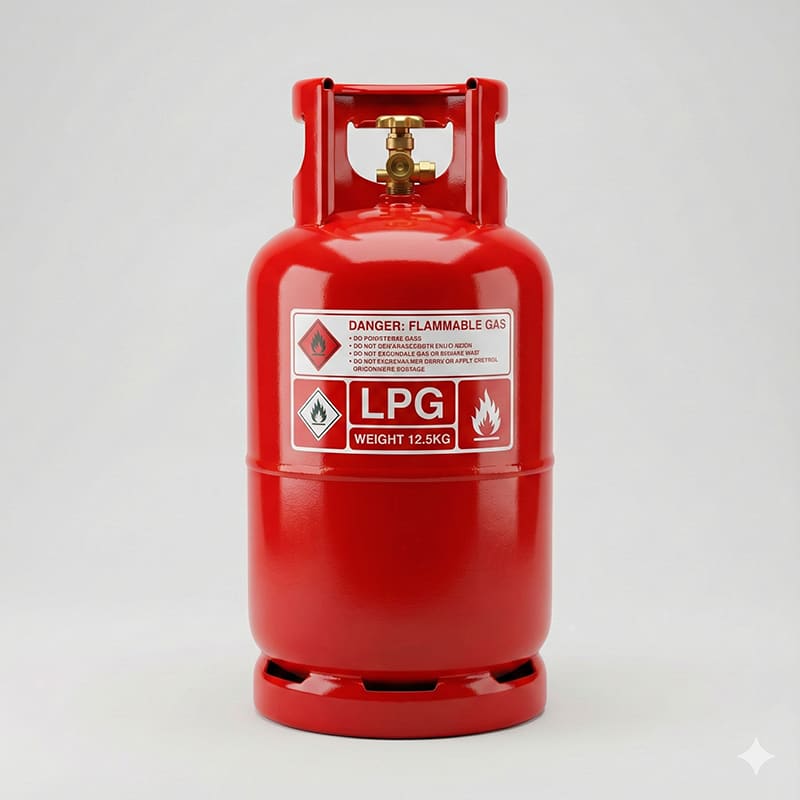
- Cylinders for retail distribution.
LPG is a flammable gas (UN 1075, Class 2.1). Terminals and vessels require gas detection, ignition source control and pressure relief systems.
Uses of LPG
- Residential and commercial cooking and heating
- Autogas for vehicles
- Petrochemical feedstock for steam crackers and propane dehydrogenation (PDH) plants
- Industrial heating, drying and metal cutting
- Aerosol propellant (high-purity, deodorized grades)
Buyer checklist
- Define the propane/butane ratio and the reference standard.
- Agree the pricing formula, benchmark month and premium or discount.
- Confirm vessel type and terminal compatibility (refrigerated or pressurized).
- Appoint an independent inspector for quantity and quality at loading.
LPG from Aban Chemical
Aban Chemical supplies LPG for energy and industrial markets with independent inspection and full documentation. See the LPG product page or request a quote with your preferred mix and delivery port.