Key takeaways
- Granular and prilled urea have the same nitrogen content (46% N). The difference is in particle size, hardness and handling behaviour.
- Granular urea (about 2 to 4 mm) is harder and better for bulk blending and mechanical spreading. Prilled urea (about 1 to 2.8 mm) dissolves quickly and suits direct application and many industrial uses.
- Biuret, moisture and size distribution are the specification points that most often decide whether a cargo fits your market.
Urea is the most widely used nitrogen fertilizer in the world and an important industrial chemical. It is produced from ammonia and carbon dioxide, then finished into solid particles in one of two ways: prilling or granulation. The finishing method changes how the product performs, so buyers should choose deliberately rather than treating the two as identical.
How prilled and granular urea are made
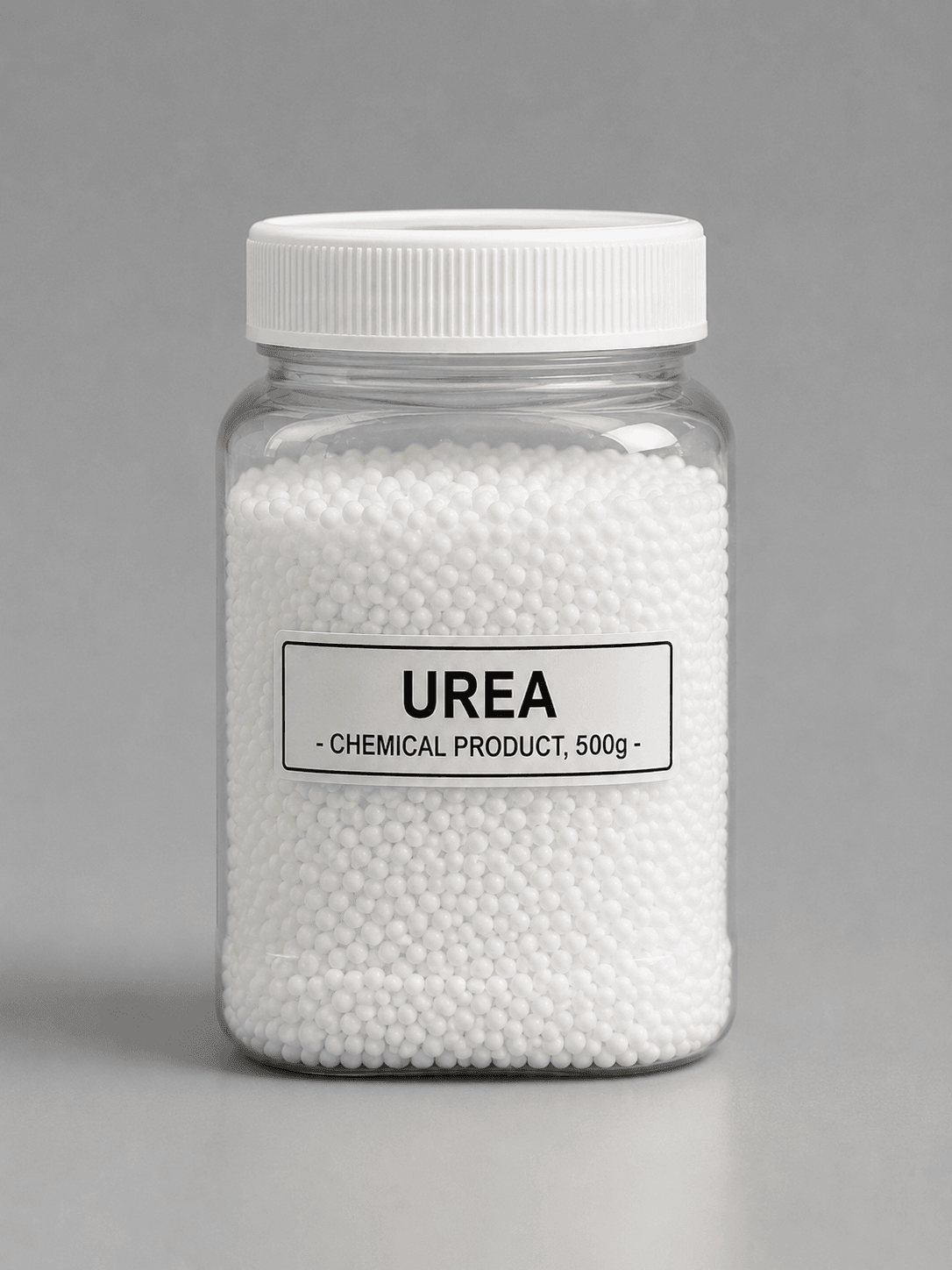
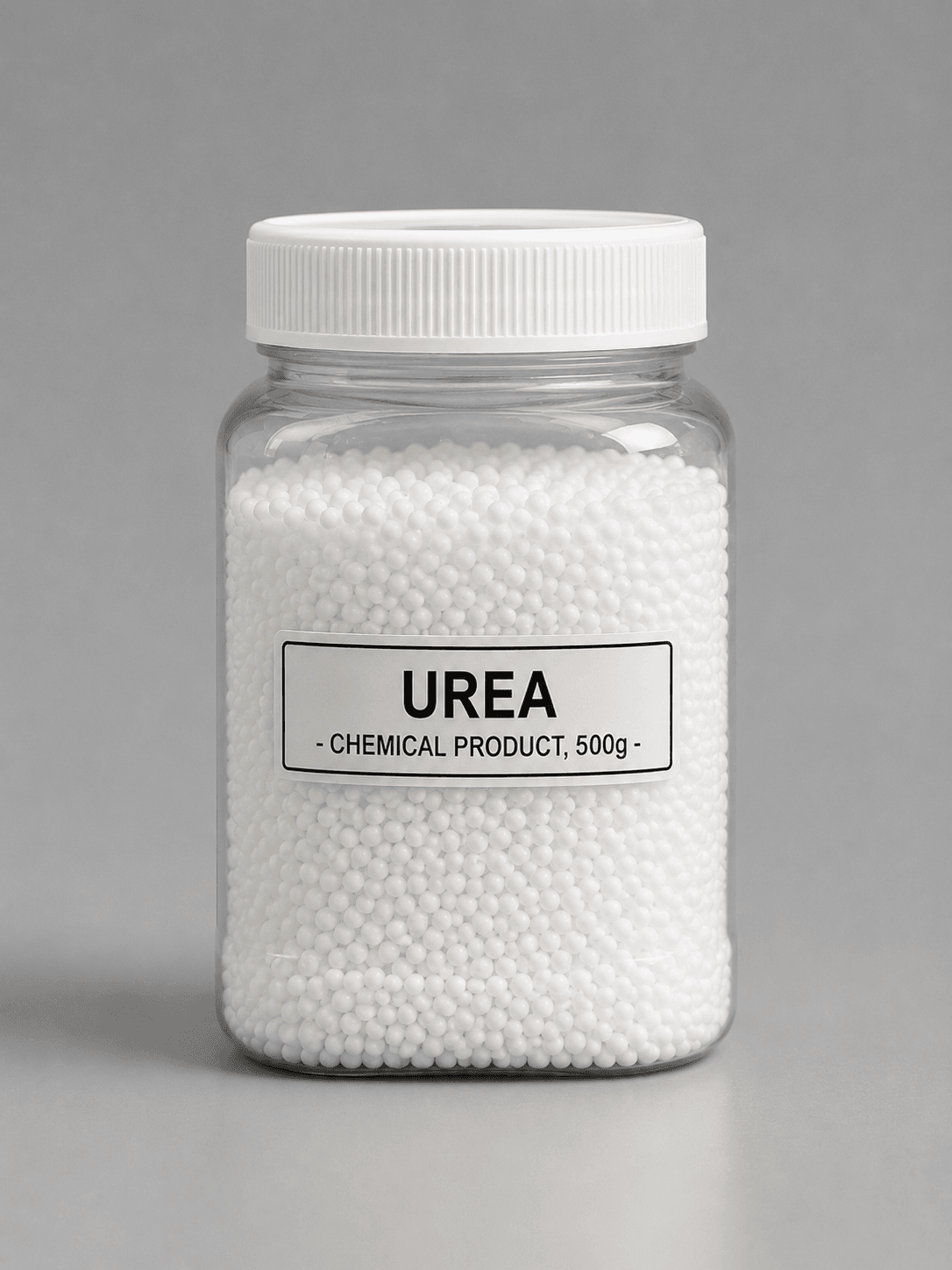
Prilled urea is made by spraying molten urea from the top of a tall prilling tower. Droplets solidify as they fall against rising air, forming small, round prills.
Granular urea is made in a granulator, where urea solution is sprayed onto seed particles that grow layer by layer into larger, harder granules. A small amount of formaldehyde-based additive is commonly used to improve hardness and reduce caking.
Specification comparison
| Parameter | Granular urea (typical) | Prilled urea (typical) |
|---|---|---|
| Nitrogen | 46.0% min | 46.0% min |
| Biuret | max 1.0% | max 1.0% |
| Moisture | max 0.5% | max 0.5% |
| Particle size | 2 to 4 mm, 90% min | 1 to 2.8 mm, 90% min |
| Crushing strength | High | Lower |
| Anti-caking treatment | Usually formaldehyde-based | Often coated or untreated |
Exact values vary by producer and contract. Some markets require lower biuret, for example for foliar application, and technical-grade urea for industrial use may have tighter limits on biuret and metals.
Practical differences in the field
Blending
Bulk blenders mix urea with other fertilizers such as DAP and potash. Particles must be similar in size, or they separate during handling and the farmer receives an uneven product. Granular urea matches the size of most granular fertilizers, which is why blenders strongly prefer it.
Spreading
Larger, heavier granules can be thrown further by spinning-disc spreaders, giving wider and more even spreading widths. Prills are lighter and can drift, which limits spreading width.
Storage and handling
Granules are harder and generate less dust when conveyed, loaded or discharged. Prills break more easily, and fines increase the risk of caking. Both products are hygroscopic, so dry, covered storage is essential.
Dissolving and industrial use
Prilled urea dissolves faster, which is useful for fertigation, liquid fertilizer production and some industrial processes. Industrial applications include urea-formaldehyde resins for wood panels, melamine production and diesel exhaust fluid (a 32.5% urea solution), which requires high-purity technical urea with very low biuret and impurities.
Which should you buy?
- Choose granular urea if your customers blend fertilizers, use mechanical spreaders, or your supply chain involves many handling steps.
- Choose prilled urea if the product will be dissolved, applied directly by smallholders, or used in industrial processes where fast dissolution matters.
- Consider price and availability: granular urea often trades at a premium, while prilled supply depends on which producers still run prilling towers.
Packing and shipping
Urea moves in bulk on handysize and supramax vessels, or packed in 50 kg bags and 1-tonne jumbo bags for markets with limited bulk handling. Urea is not classified as dangerous goods for transport, but cargo holds must be clean and dry, and the product should be protected from rain during loading and discharge to avoid caking.
Quality checks before shipment
An independent inspector normally samples the cargo during loading and issues a certificate covering nitrogen, biuret, moisture and size distribution. For bagged cargo, bag weight and marking checks are added. Agree in advance which certificate is final for quality and quantity.
Urea from Aban Chemical
Aban Chemical supplies both granular and prilled urea 46% N for agricultural and industrial buyers. Visit our urea product page for the datasheet, read about FOB, CFR and CIF delivery terms, or request a quote for your destination port.