Key takeaways
- Most internationally traded methanol is sold against the IMPCA Methanol Reference Specifications, with a minimum purity of 99.85% by weight on a dry basis.
- Water, acetone, ethanol and permanganate time are the parameters most often used to judge whether a cargo is on spec.
- Independent inspection at the load port, with sampling at shore tank, manifold and ship's tanks, is the buyer's best protection against off-spec cargo.
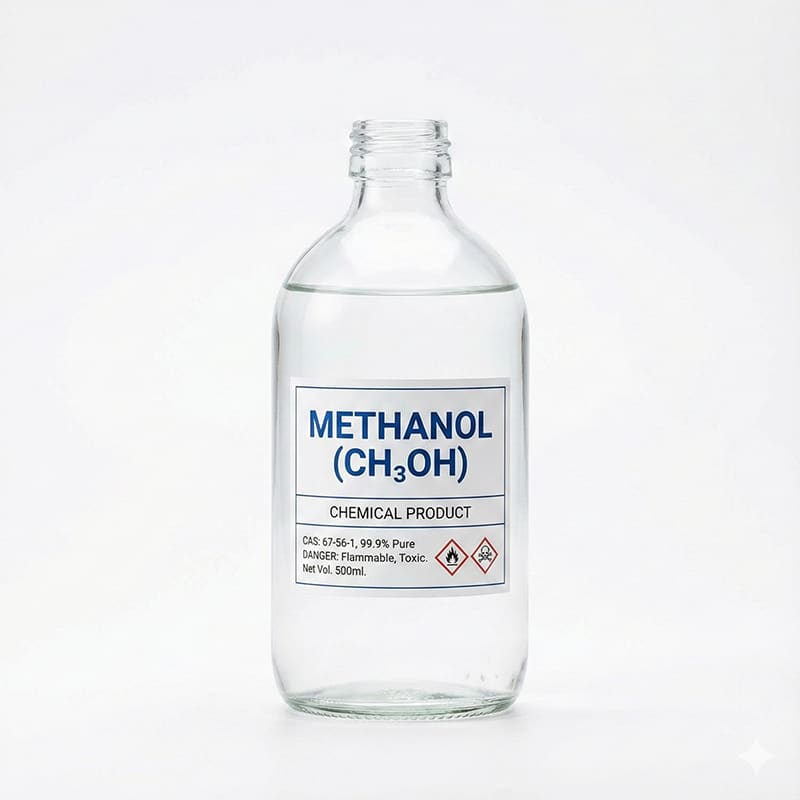
Methanol (CH3OH) is one of the most traded basic chemicals in the world. It is the starting point for formaldehyde, acetic acid, MTBE, olefins (through methanol-to-olefins plants) and a long list of solvents and fuels. Because the same product feeds very different downstream processes, buyers need a common language for quality. In international trade that language is the IMPCA specification.
What is IMPCA methanol?
IMPCA, the International Methanol Producers and Consumers Association, publishes reference specifications that most seaborne methanol contracts refer to. When a contract says "methanol, IMPCA grade", both sides agree on a defined list of test methods and limits. This avoids long negotiations over each parameter and makes cargoes from different producers interchangeable.
Another reference sometimes used, mainly in North America, is US Federal Grade AA (ASTM D1152 family), which has tighter limits for some organic impurities. If your process is sensitive to acetone or ethanol, check which reference your contract uses.
Key IMPCA parameters and typical limits
The table below summarises the parameters buyers look at most often. Always confirm limits against the latest IMPCA document and the signed contract, since contracts can tighten individual values.
| Parameter | Typical IMPCA limit | Why it matters |
|---|---|---|
| Purity (dry basis) | min 99.85% w/w | Overall measure of methanol content |
| Water | max 0.100% w/w | Affects catalysts and downstream yields |
| Acetone | max 30 mg/kg | Organic impurity; critical for some chemical uses |
| Ethanol | max 50 mg/kg | Indicates production or contamination issues |
| Permanganate time at 15 °C | min 60 minutes | Quick indicator of oxidizable impurities |
| Density at 20 °C | 0.791 to 0.793 kg/l | Identity and quantity calculations |
| Colour (Pt-Co) | max 5 | Visual cleanliness of the product |
| Distillation range | max 1.0 °C, including 64.6 °C | Confirms a narrow, pure boiling fraction |
| Chloride, sulfur, iron | very low mg/kg limits | Corrosion and catalyst poisoning risk |
Permanganate time: the quick contamination test
The permanganate time test measures how long a methanol sample takes to discolour a potassium permanganate solution. Oxidizable impurities speed up the colour change. A short permanganate time is often the first sign that a cargo has picked up contamination from a previous cargo in the ship's tanks or from shore lines.
Water content
Methanol is hygroscopic and mixes completely with water. Water can enter through humid air in tanks, poor line drainage or tank washing residues. Buyers in formaldehyde, MTO or biodiesel production often treat water as a key commercial parameter because it directly affects process efficiency.
Where methanol quality goes wrong
Methanol usually leaves a modern plant on spec. Problems tend to appear during storage and transport:
- Previous cargo residues in chemical tankers, especially if tank cleaning was not suitable for a high-purity product.
- Shared shore lines that were not properly flushed between products.
- Water ingress through tank vents, hatches or wet tank coatings.
- Mixing of parcels from different tanks with different quality.
How buyers verify a methanol cargo
A well-structured inspection plan typically includes:
- Shore tank sampling and analysis before loading, so off-spec product is not loaded at all.
- Tank inspection of the vessel: cleanliness, dryness, coating condition and wall-wash test results.
- First-foot sampling: loading a small quantity, sampling it and analysing it before continuing, to detect line or tank contamination early.
- Ship's tank composite samples after loading, sealed and retained by the independent inspector.
- Certificate of Quality and Quantity issued by an independent inspection company at the load port.
Tip: agree in the contract which inspection result is final and binding (load port or discharge port), and how retained samples will be used if there is a dispute.
Packaging and logistics options
Large volumes move in bulk on chemical tankers. Smaller buyers can receive methanol in ISO tank containers, while drums or IBCs are used for small industrial volumes. Flexitanks are generally not suitable for flammable liquids. Methanol is a flammable liquid (UN 1230, Class 3, with toxic subsidiary risk), so packaging, labelling and the Safety Data Sheet must match dangerous goods rules for the chosen transport mode.
Methanol safety in brief
Methanol is highly flammable, burns with an almost invisible flame and is toxic if swallowed, inhaled or absorbed through the skin. Storage needs grounding and bonding, vapour control and fire protection suitable for low-flash-point liquids. Always request the current methanol Safety Data Sheet (MSDS) from your supplier and share it with your logistics partners.
Buying methanol from Aban Chemical
Aban Chemical supplies industrial-grade methanol and coordinates specification review, independent inspection and shipping documents for each cargo. See our methanol product page for the datasheet, or request a quote with your quantity, packing and destination port.